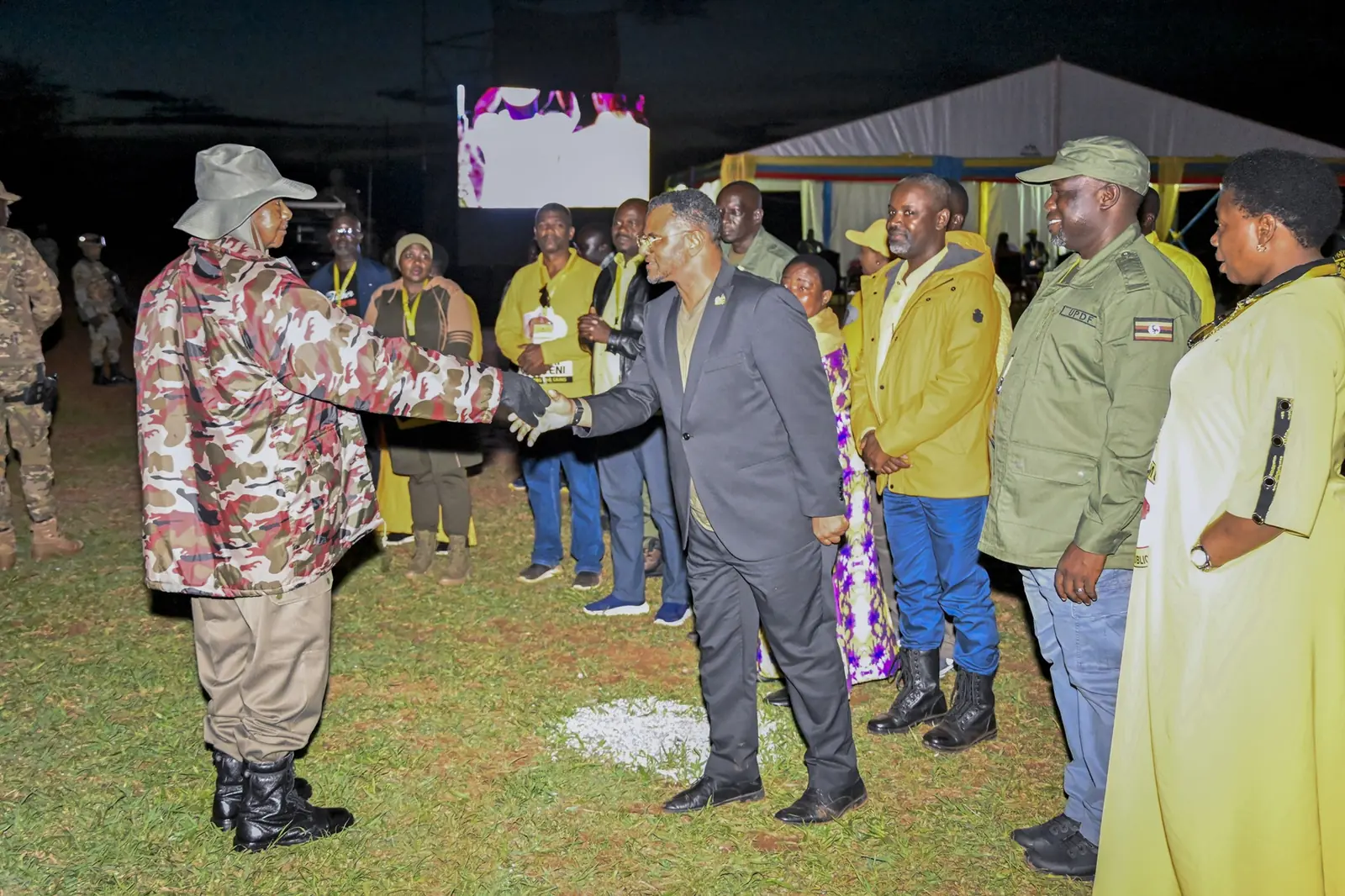
President Yoweri Kaguta Museveni has today announced plans to roll out a large-scale, countrywide fish farming project, aimed at unlocking the economic potential of Uganda’s wetlands and boosting household incomes.
The President revealed the initiative on the sixth day
of the ongoing National Resistance Movement (NRM) Parliamentary retreat at the
National Leadership Institute (NALI), Kyankwanzi, where he has been engaging
the newly elected Members of Parliament on key national development priorities.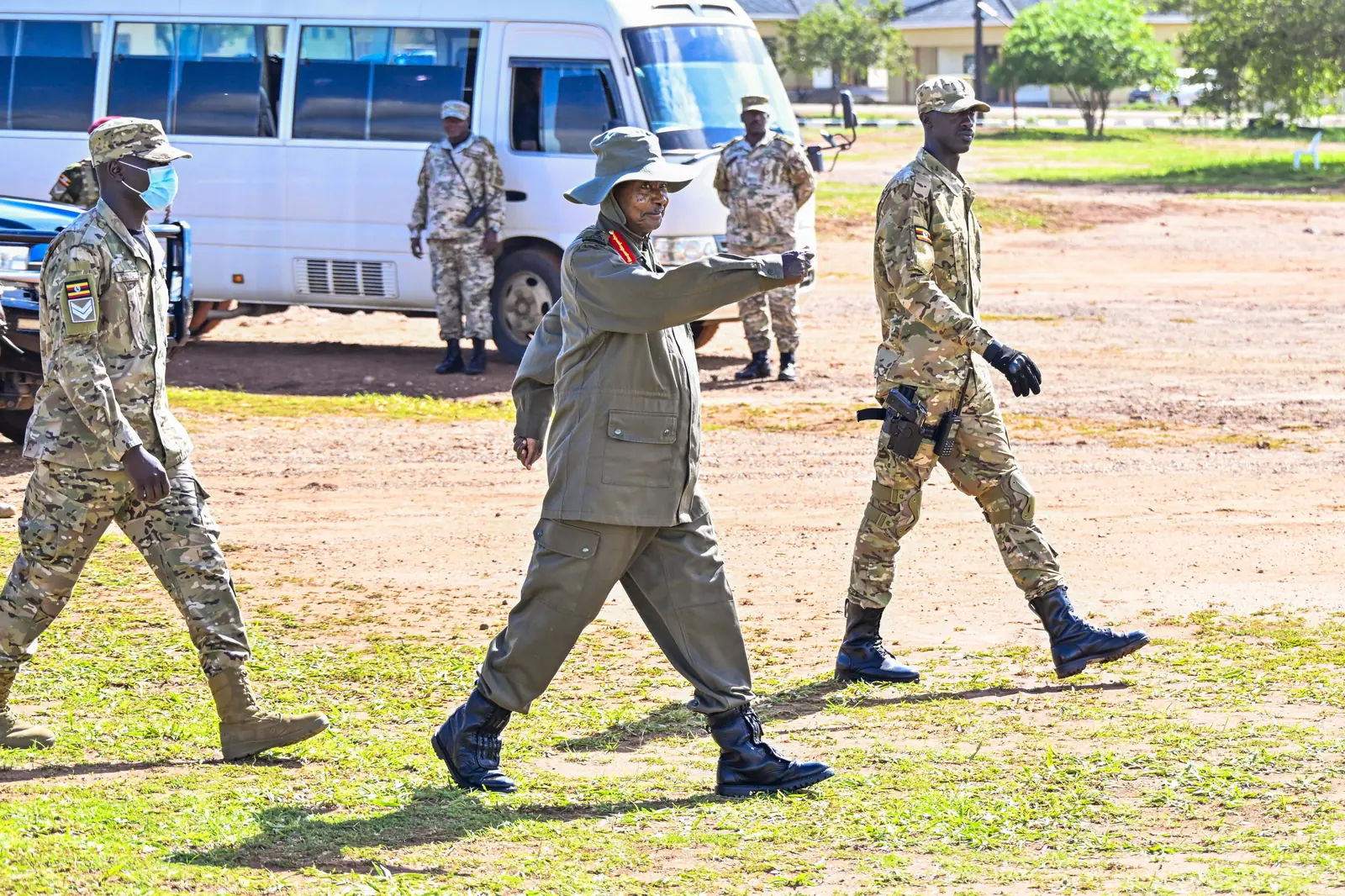
“I intend to launch a big, countrywide project for fish farming,” President Museveni said.
“These wetlands we have cannot be effectively utilized using the Parish Development Model funds alone. The Shs1 million is not enough, it requires machinery and organized state support.”
He explained that while some wealthy individuals may
invest independently, the proposed project will require direct government
leadership and long-term planning, and may be implemented beyond the current
financial year, partly due to competing priorities such as preparations for the
African Cup of Nations.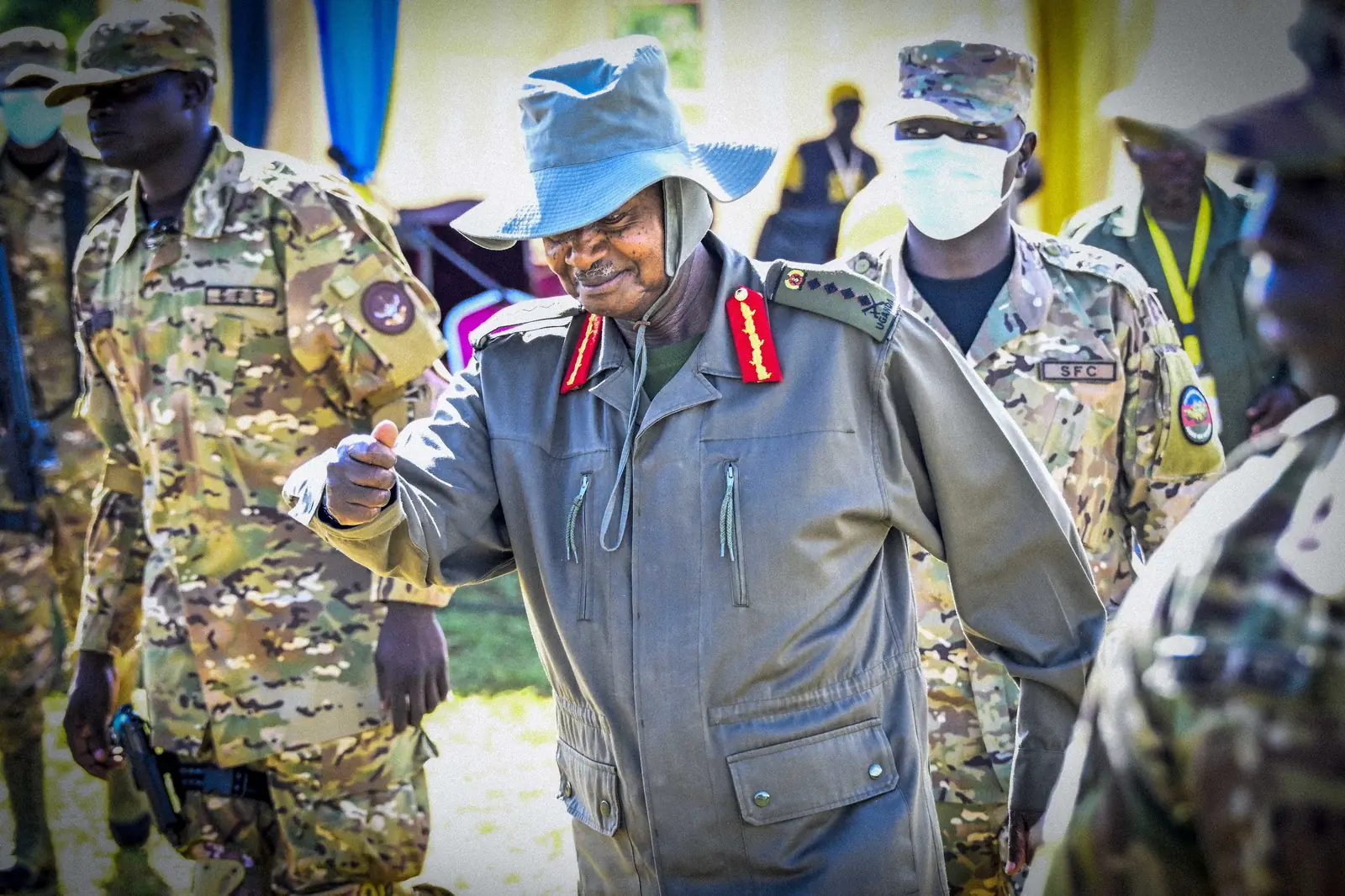
On security and infrastructure, the President disclosed plans to establish a military barracks in Bulambuli District, noting that the project has been under consideration for a long time.
“Bulambuli borders Kween, and we have been planning for that barracks for quite some time,” he said.
He also directed that government land across the
country be utilized for seedling production, as part of efforts to promote
agriculture and environmental restoration.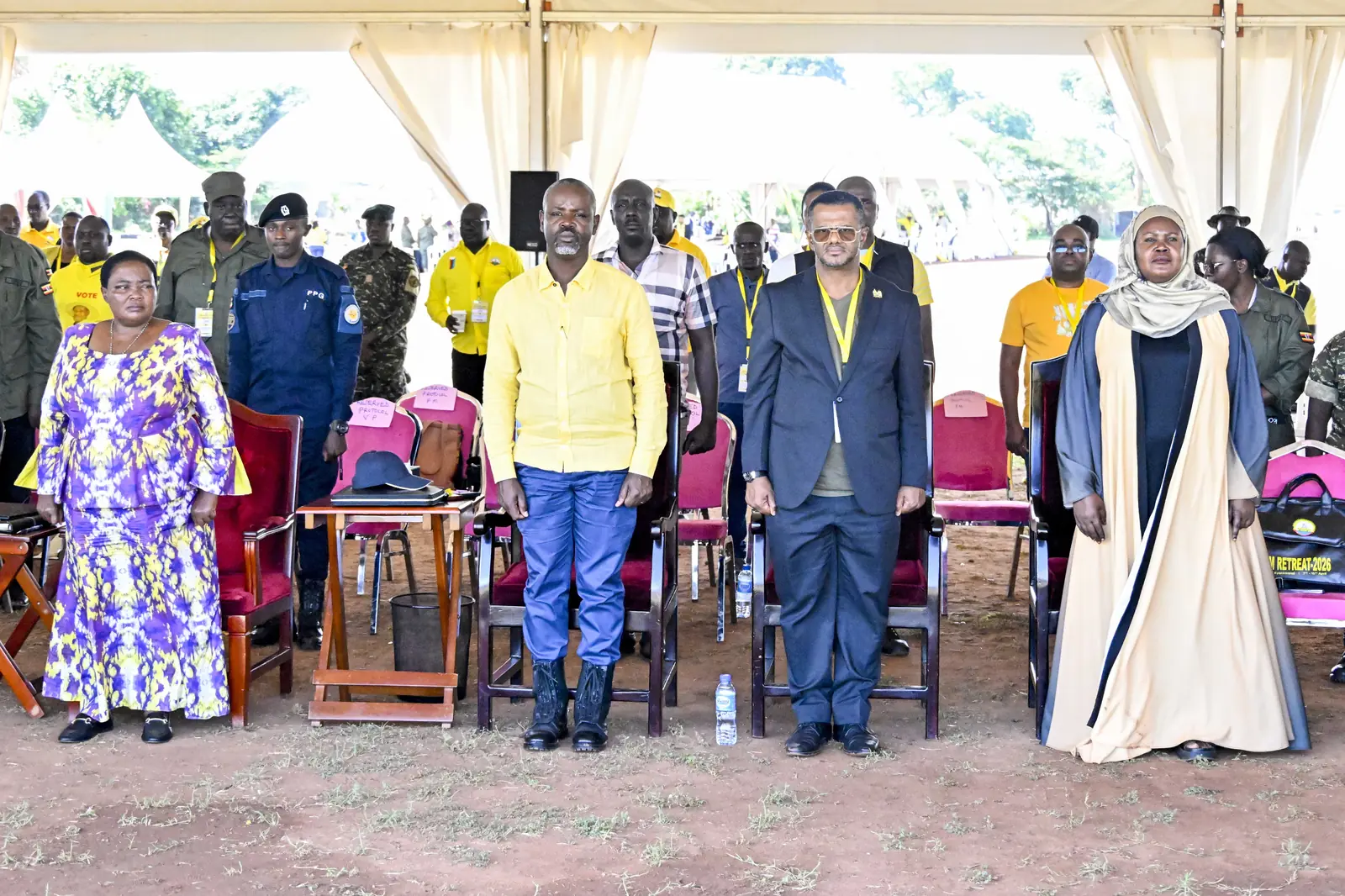
President Museveni further announced a new directive aimed at improving transparency and coordination at district level.
“I am going to order Chief Administrative Officers that anything sent to districts must be communicated to Members of Parliament and LC5 chairpersons,” he said.
“No funds
whether for government programmes or the Parish Development Model should go to
districts without the knowledge of political leaders.”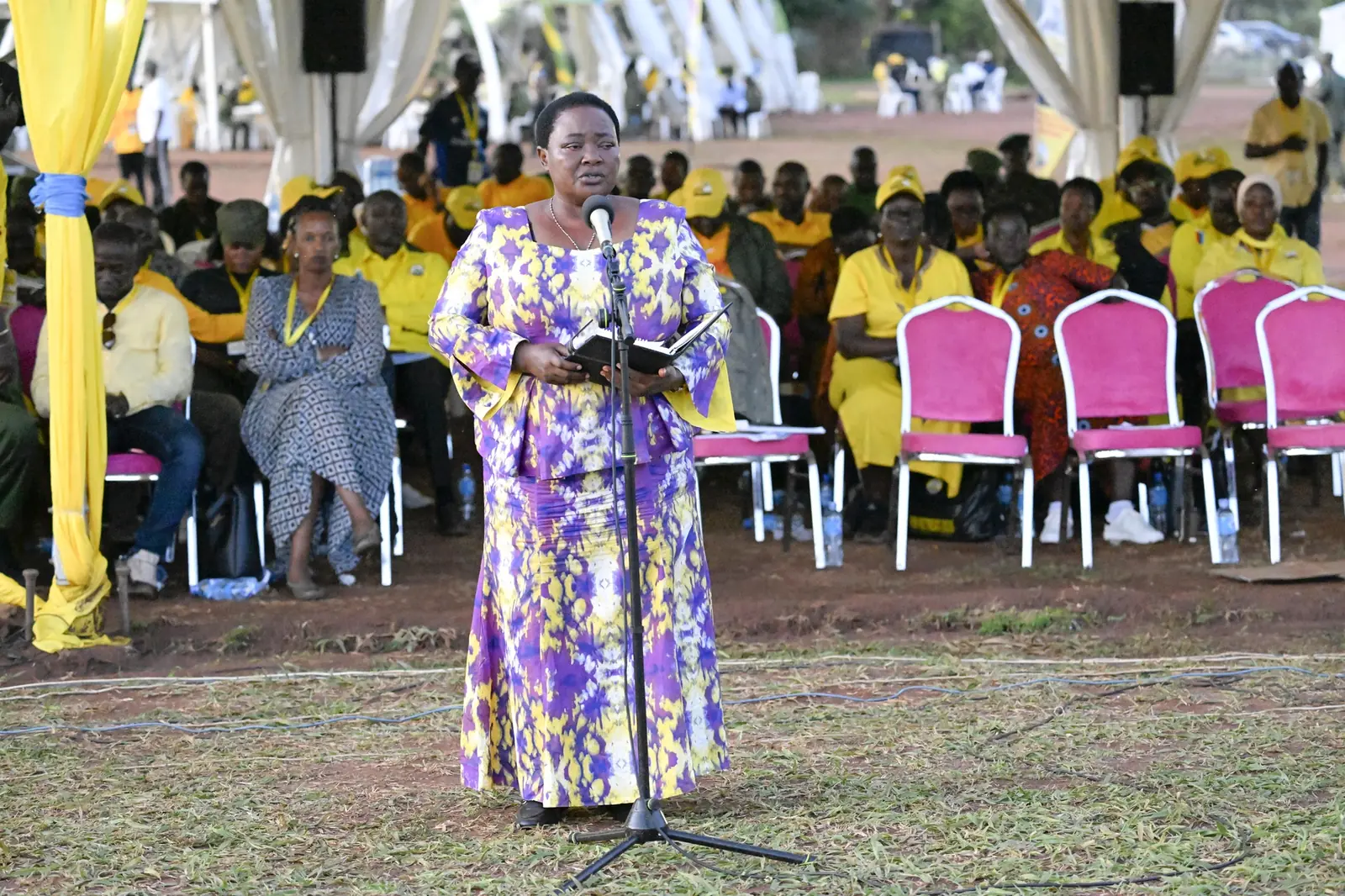
The President was responding to issues raised by legislators following presentations from key government officials, including Uganda’s Permanent Representative to the United Nations, Ambassador Adonia Ayebare.
Amb. Ayebare emphasized the need for MPs to align their engagements with Uganda’s foreign policy framework.
“When interacting in the foreign policy space, Members
of Parliament should bear in mind that the Executive takes the lead,” he said,
noting that the field is complex and requires coordination to avoid
institutional clashes.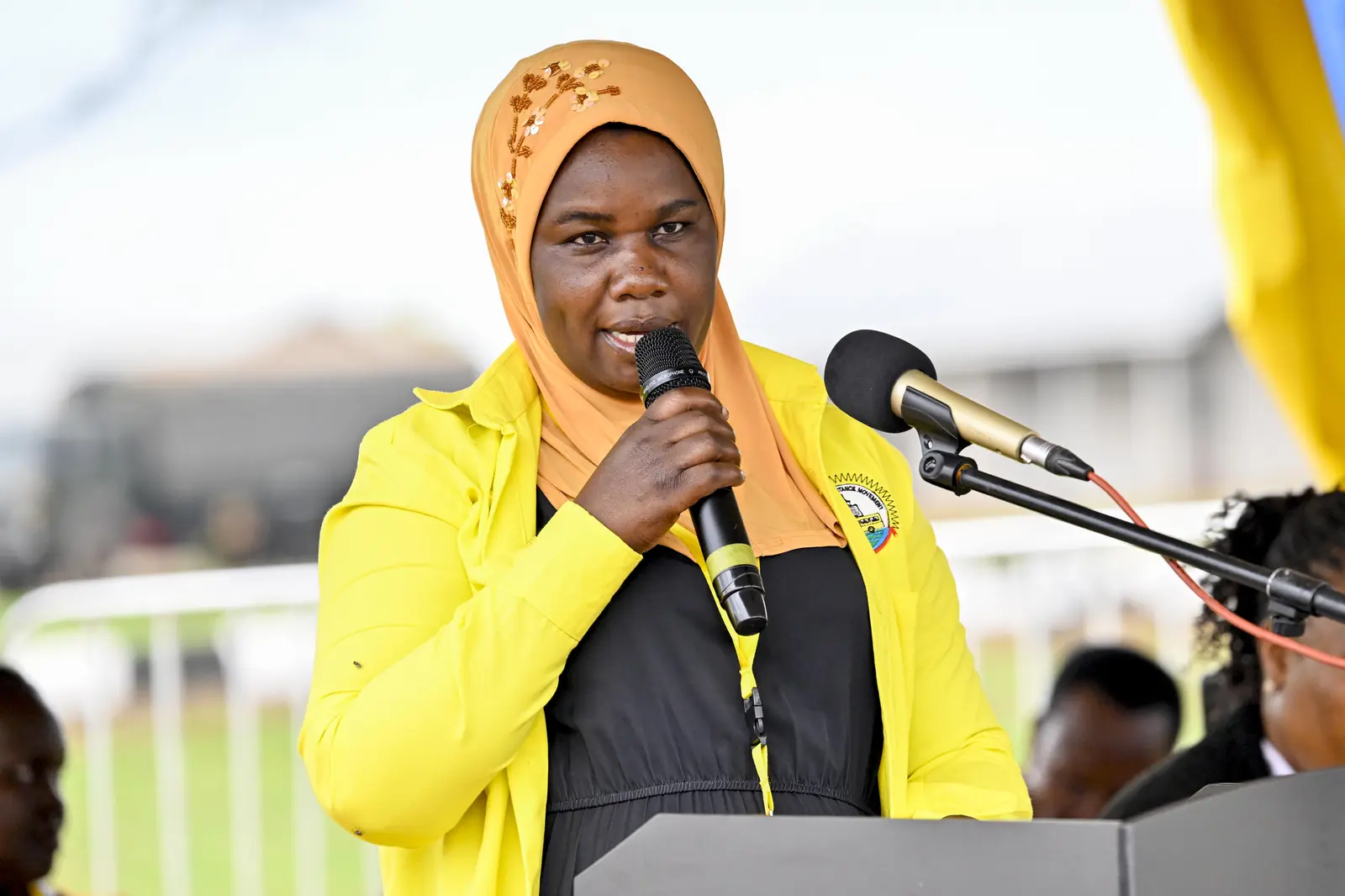
He highlighted Uganda’s growing diplomatic role, including its leadership of the Non-Aligned Movement (NAM), where President Museveni has been advocating for peace amid global tensions in regions such as the Middle East and Europe.
Amb. Ayebare also noted that Uganda remains an active member of regional and international bodies such as the African Union, East African Community, and COMESA, urging Parliament to support strategic diplomacy focused on technology, skills, value addition, and investment promotion.
Presenting a paper on agricultural commercialization,
the Minister of Agriculture, Hon. Frank Tumwebaze said Uganda is still
operating below its agricultural potential.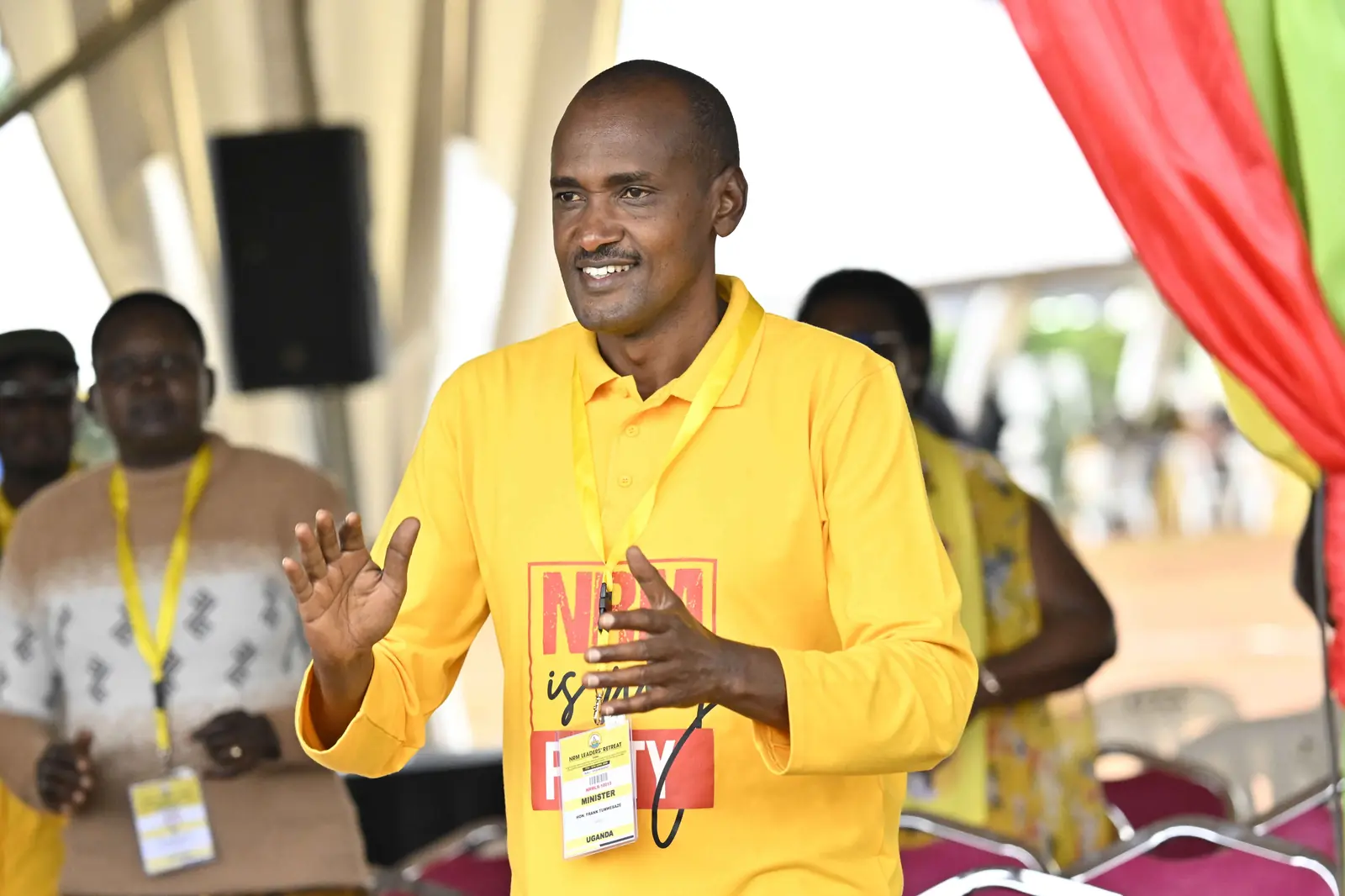
“We have only utilized between 35% and 38% of our land for full agricultural production, and fertilizer use remains very low at about 2.5 kilograms per hectare,” he said.
Hon. Tumwebaze called for a shift toward modern, intensive farming practices, particularly for smallholder farmers under the four-acre model, which integrates enterprises such as poultry, piggery, fish farming, and dairy.
He emphasized that farmers with limited land should
focus on high-value crops, while large-scale farmers can invest in extensive
production.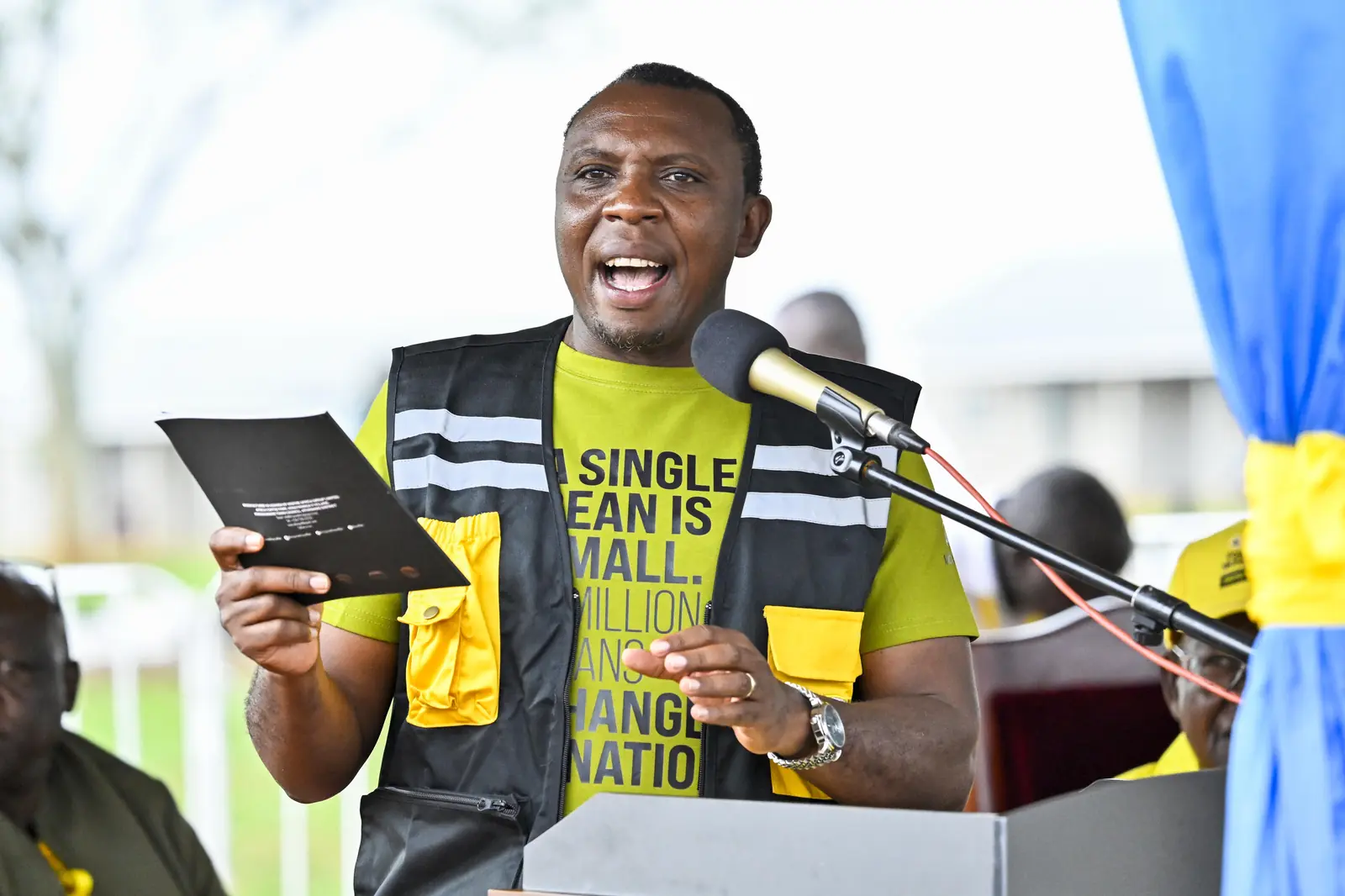
“There must be a clear linkage between smallholder and large-scale farmers. Each has a role to play in transforming agriculture,” he added.
The minister also stressed the need for increased investment in agricultural research, irrigation, and energy, noting that Uganda’s productivity remains far below its potential compared to countries like China.
Hon. Tumwebaze observed that although Uganda’s
agricultural exports such as coffee and milk have grown, the country is still
losing revenue due to limited value addition.
“Our coffee exports are growing, but we are still largely exporting raw materials. Value addition would significantly increase earnings,” he said.
He also highlighted the global demand for milk and fish, noting that Uganda is well-positioned to expand production and tap into international markets.
Meanwhile, The Minister of Security, Hon. Maj. Gen.
Jim Muhwezi underscored the importance of maintaining national stability as a
foundation for development.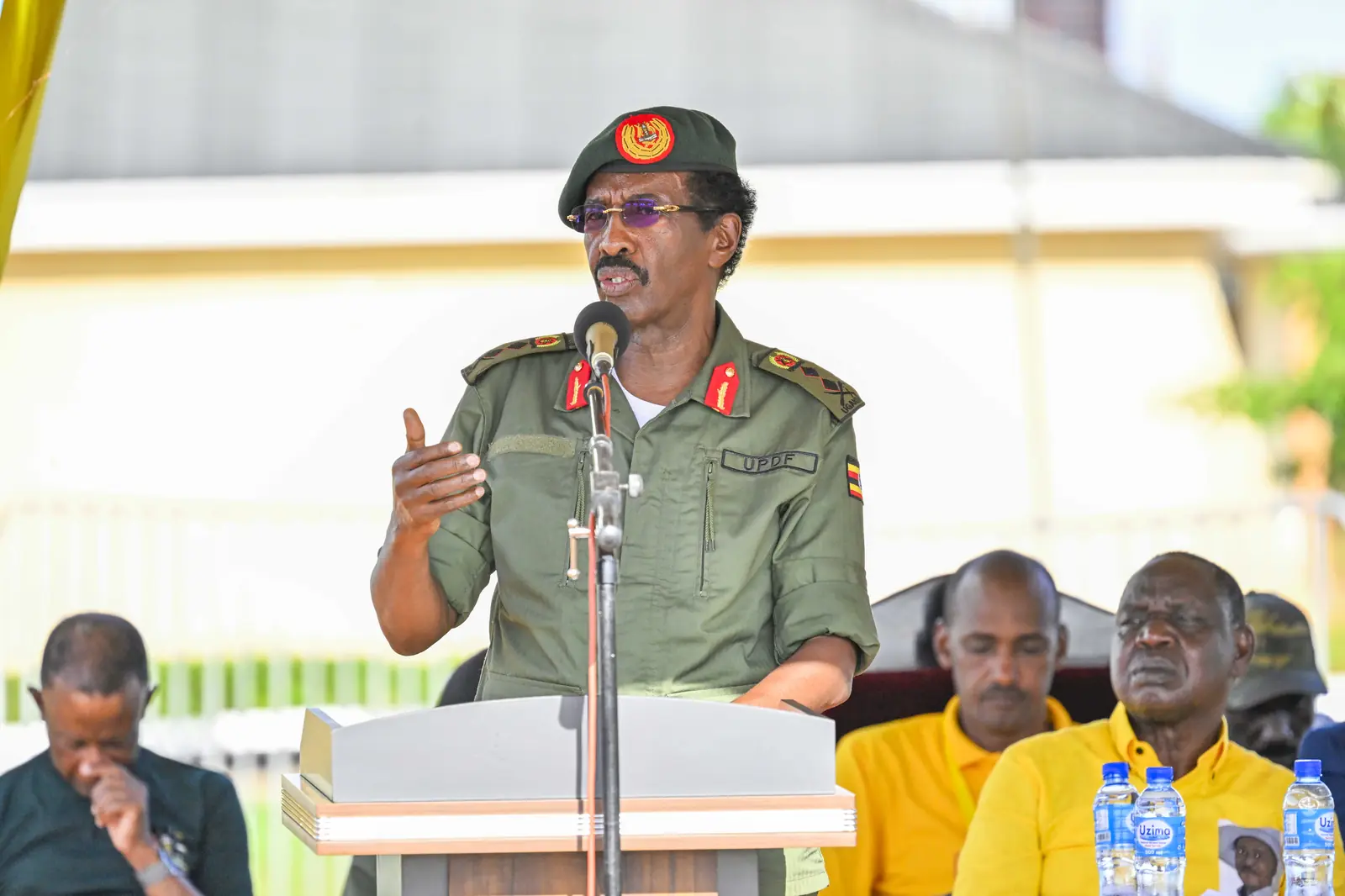
“National security is multi-dimensional. It involves protecting territorial integrity, safeguarding national interests, and ensuring the welfare and dignity of citizens,” he said.
He added that a stable security environment is
essential for economic growth and the success of government programmes.