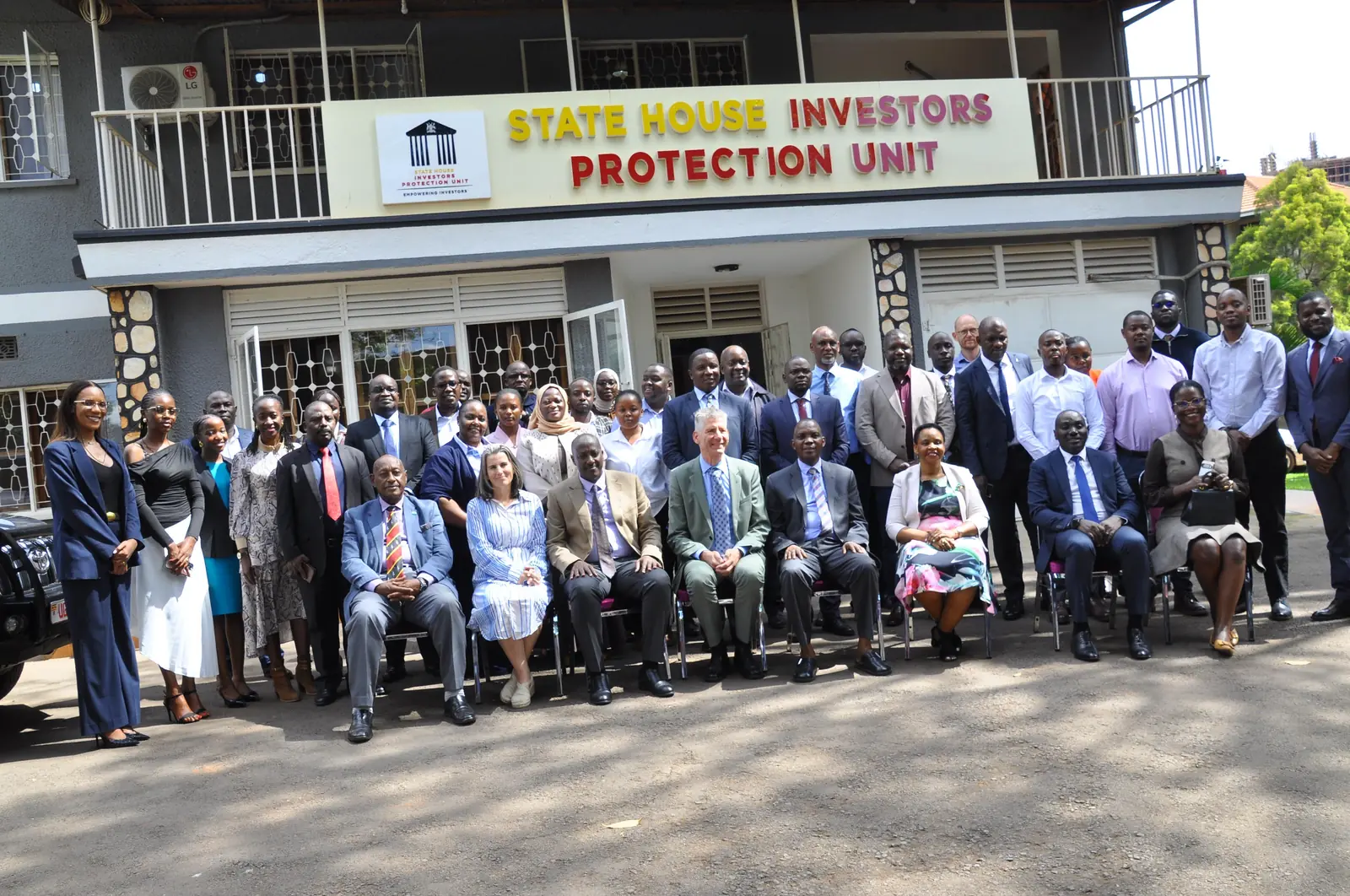
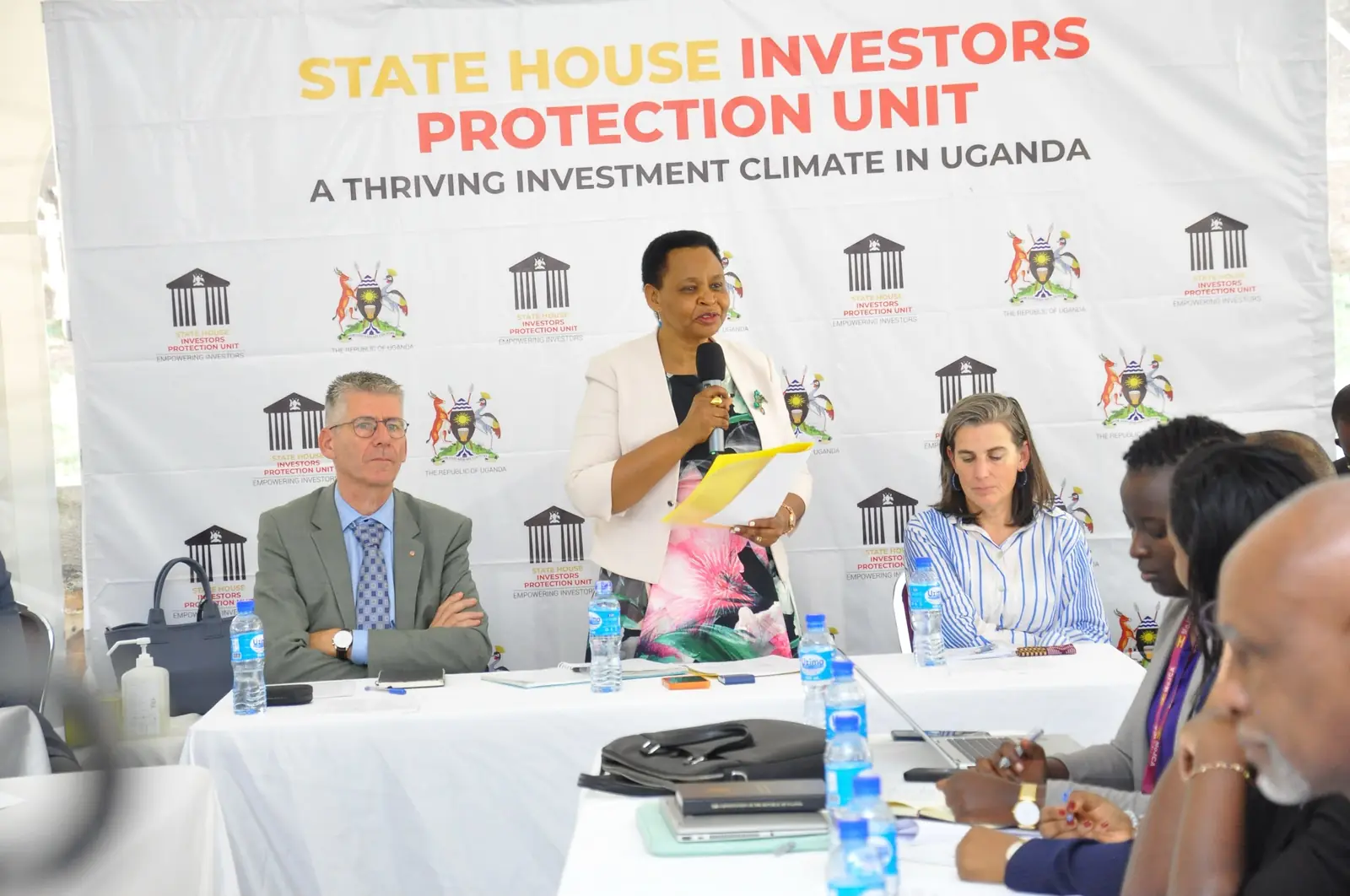
The Netherlands remains one of Uganda’s largest sources of Foreign Direct Investment (FDI), with more than 200 Dutch-affiliated companies operating in the country, the Head of the State House Investors Protection Unit (SHIPU), Col. Edith Nakalema, has said.
Col. Nakalema said Dutch investments have made significant contributions to Uganda’s agriculture and agribusiness, renewable energy, transportation and logistics sectors, among others.
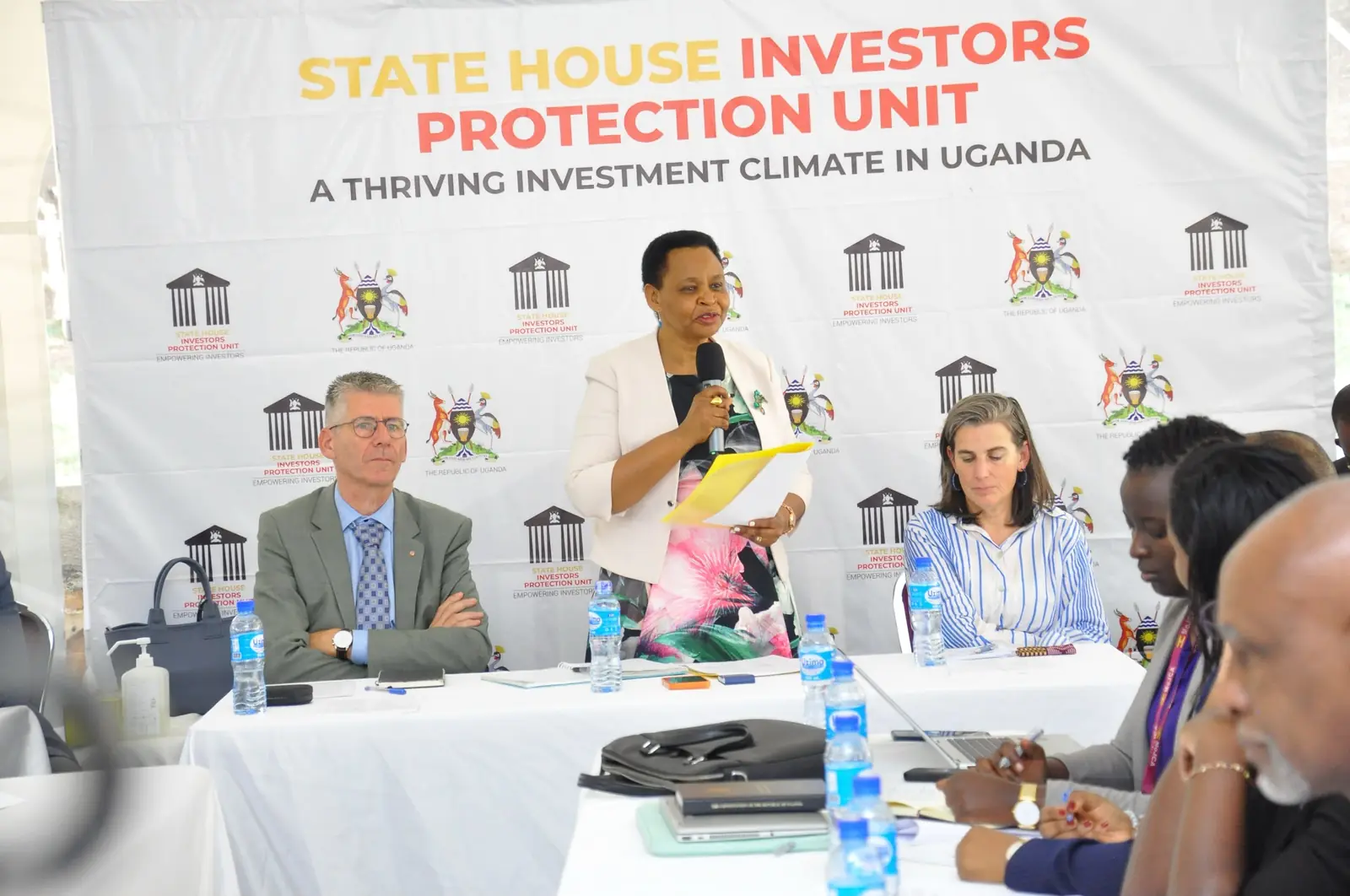
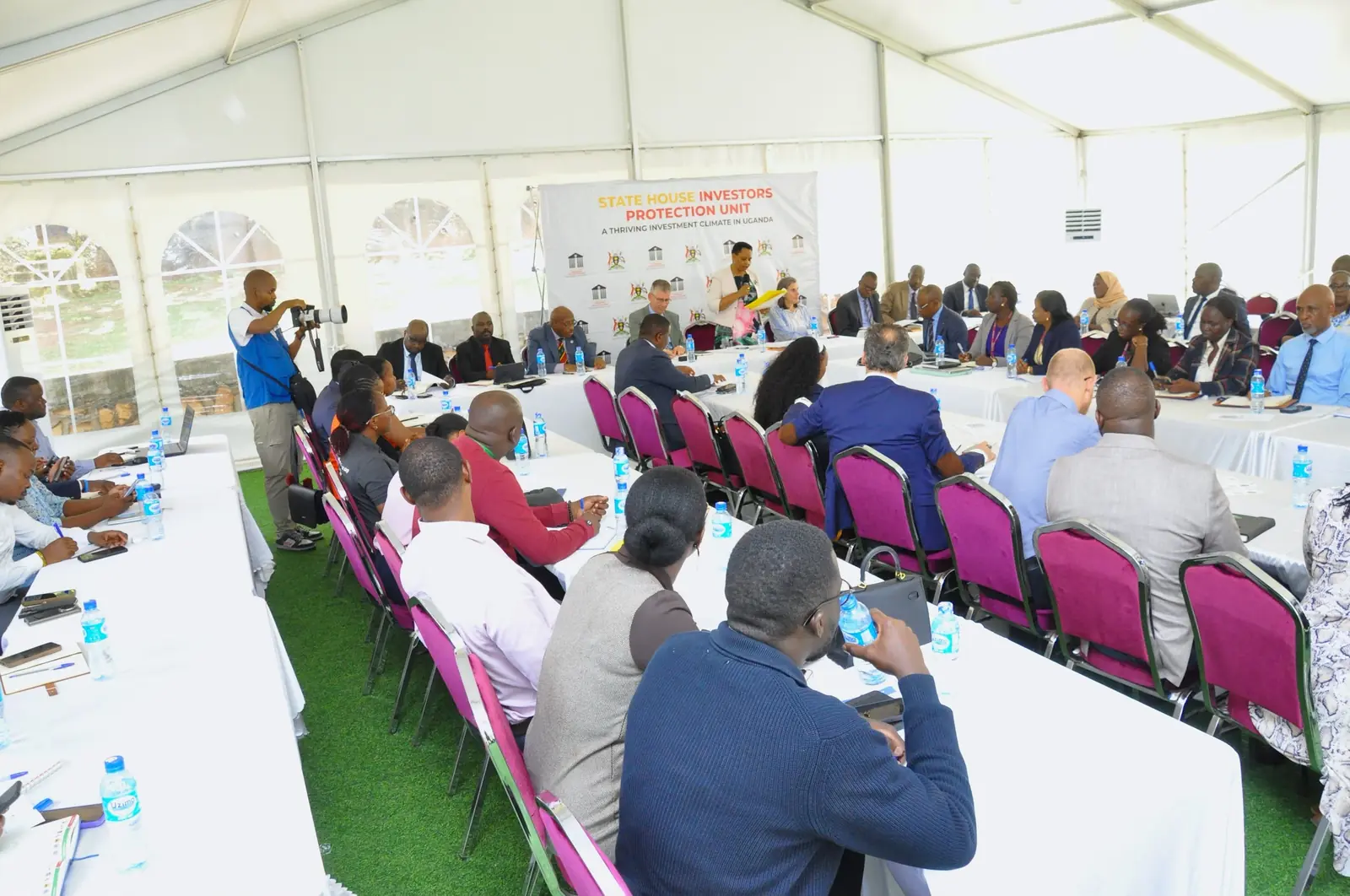
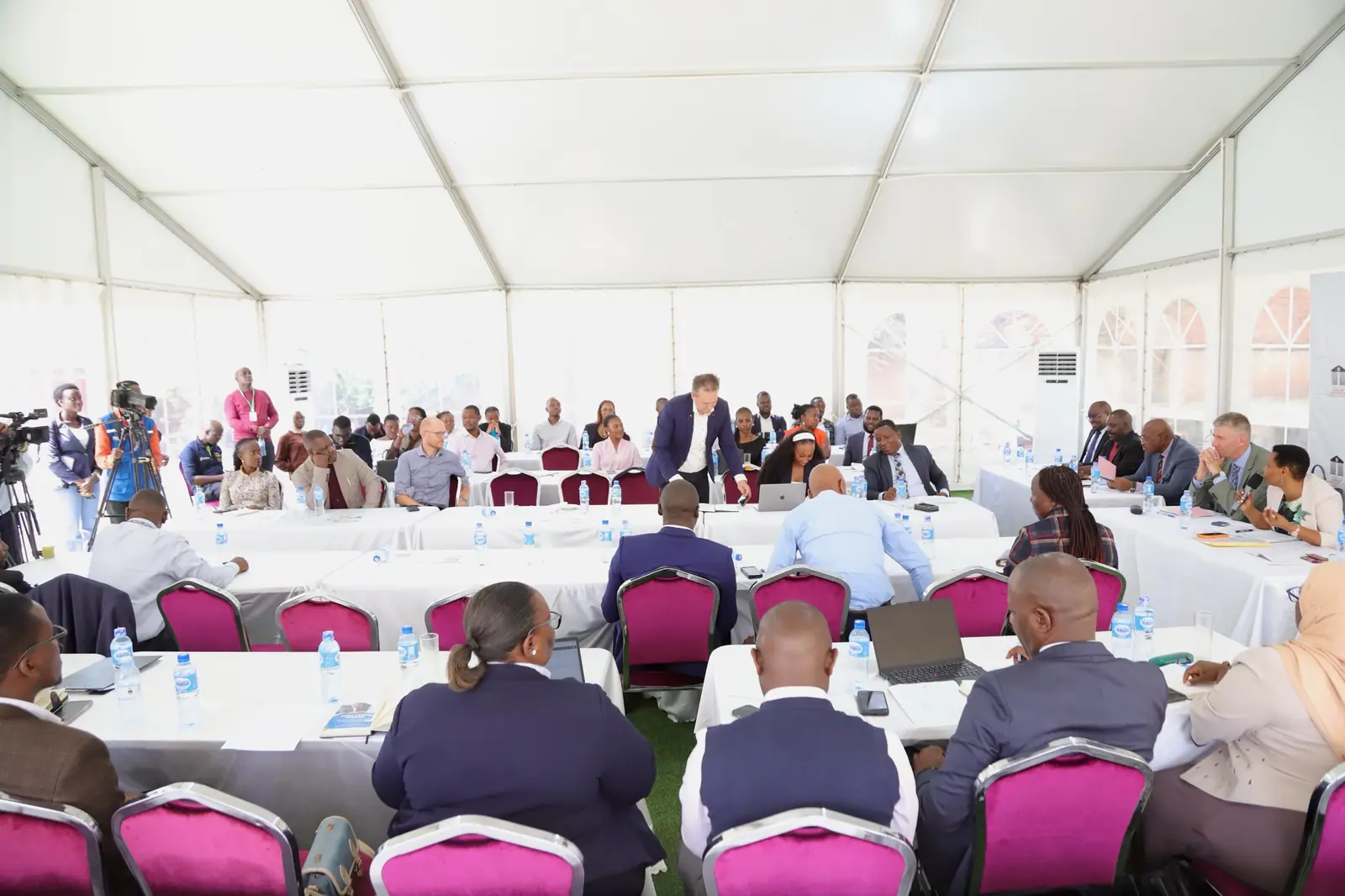
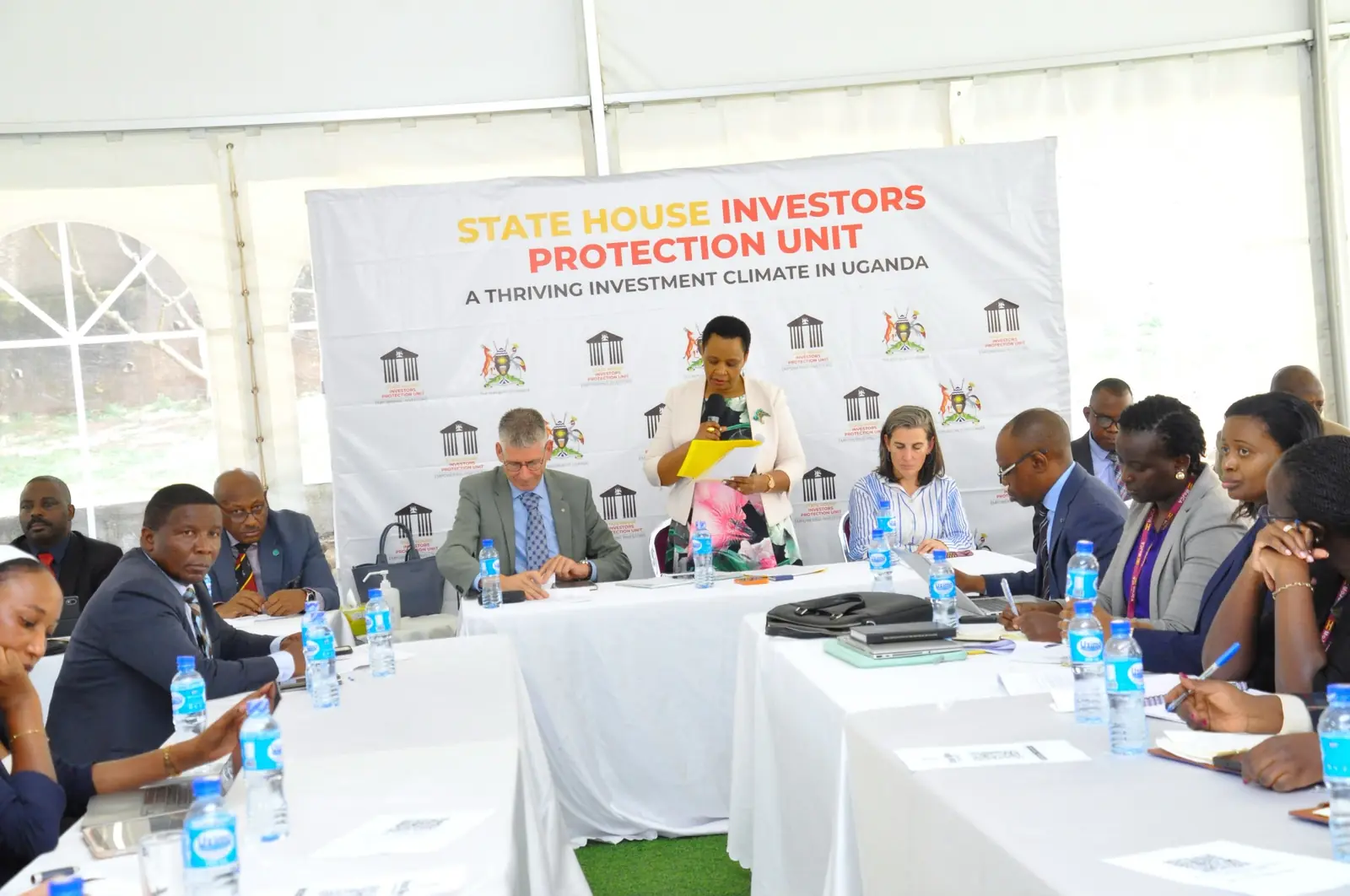
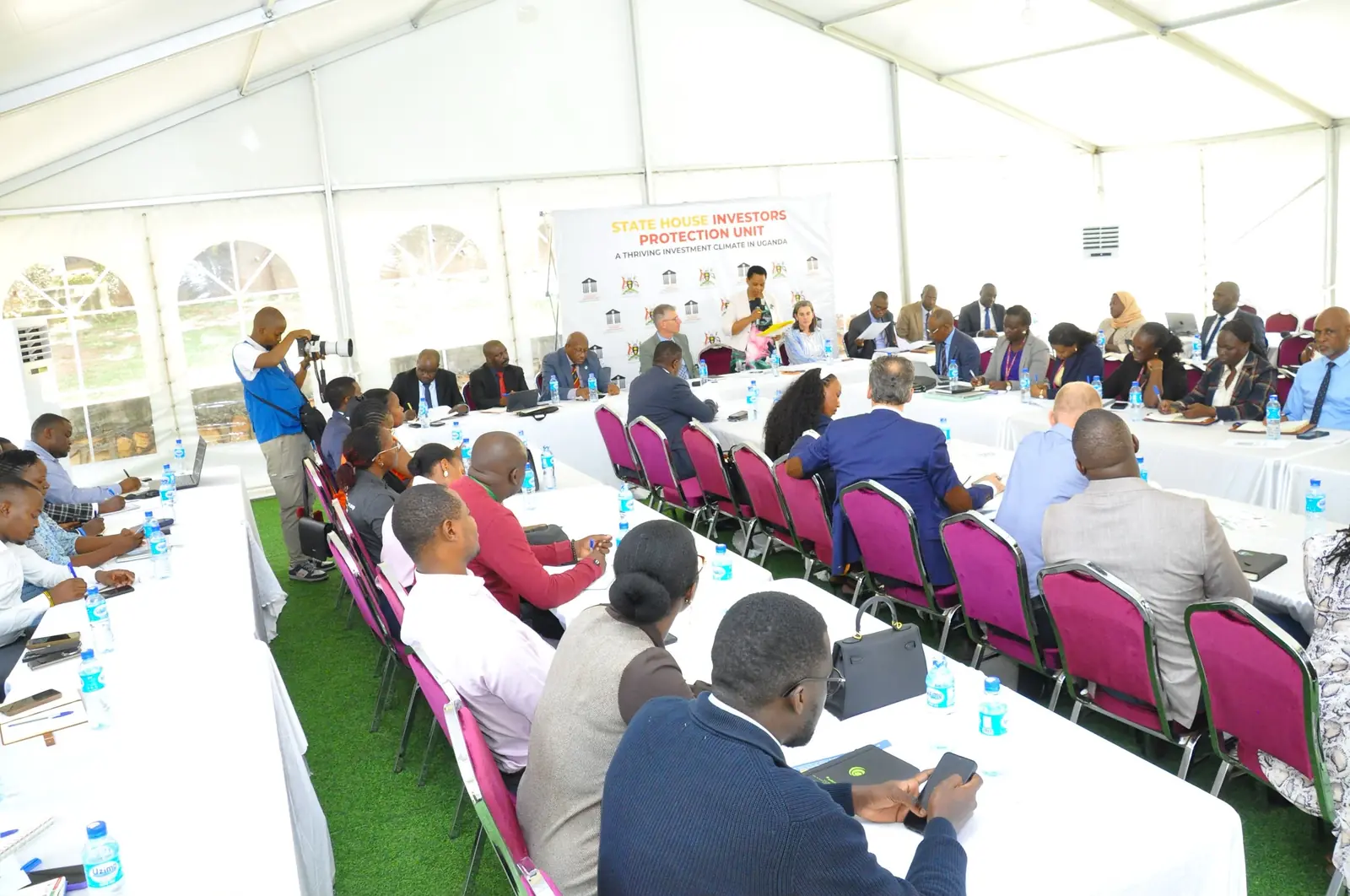
She made the remarks on Wednesday, October 7, 2026, during a strategic engagement on trade and investment with members of the Netherlands-Uganda Trade and Investment Platform (NUTIP) at SHIPU offices in Kampala.
The engagement brought together SHIPU, government agencies and members of the business community to discuss challenges affecting investors, including taxation, tax arbitration, economic policy and governance.
Col. Nakalema commended the Embassy of the Kingdom of the Netherlands for coordinating the meeting, saying it built on an earlier engagement hosted by SHIPU on November 13, 2025.
She said the continued engagements reflect the strong economic partnership between Uganda and the Netherlands, which has existed for 56 years.
“The Netherlands remains one of the largest sources of Foreign Direct Investment (FDI) for Uganda,” Col. Nakalema said.
She said Dutch-affiliated companies are particularly active in horticulture, floriculture, animal and fish feed manufacturing and aquaculture.
According to Col. Nakalema, by June 2026, the Netherlands accounted for 58.8 percent of total FDI inflows into Uganda.
She said the investments go beyond capital injection, contributing to innovation, local capacity development, employment creation and other economic opportunities for Ugandans.
SHIPU pledges zero-delay investment environment:
Col. Nakalema assured Dutch investors that SHIPU was committed to creating an investment environment in which government agencies work together to resolve challenges and minimise unnecessary delays.
She said President Yoweri Kaguta Museveni established SHIPU with a directive to make Uganda a “zero-delay destination” for both foreign and domestic investors.
“Our mandate is therefore to protect your capital from economic disruptions by deploying collaborative mechanisms, as MDAs, to expedite attention to any concerns that may set you back,” she said.
Col. Nakalema also encouraged NUTIP members to use the Electronic Investors’ Protection Portal (EIPP), which was commissioned by President Museveni on December 13, 2023.
She said the digital platform links more than 75 government Ministries, Departments and Agencies (MDAs), enabling investors to conduct due diligence and verify administrative processes with minimal human interaction.
“I therefore call upon all NUTIP members to utilise the EIPP as your frontline tool for secure operations in Uganda,” she said.
Col. Nakalema described the meeting as solution-oriented, assuring investors that concerns raised would receive prompt coordination and follow-up from SHIPU.
She emphasised that the government considers Dutch investors as strategic partners in Uganda’s economic transformation.
“The President recognises that you are not merely doing business in Uganda; you are strategic partners in our country’s economic transformation journey,” she said.
She reaffirmed SHIPU’s commitment to protecting existing investments while supporting investors seeking to expand their operations in Uganda.
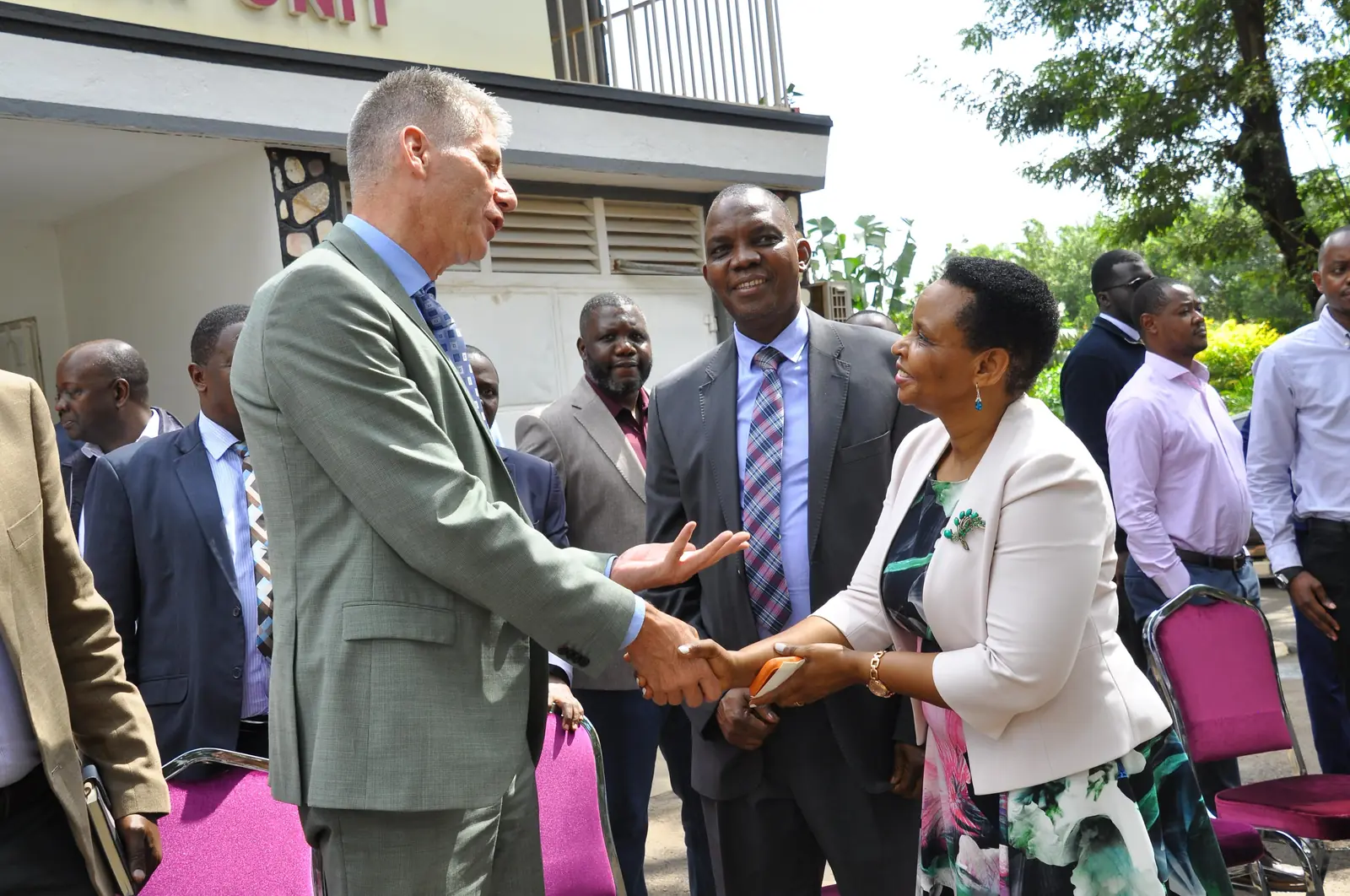
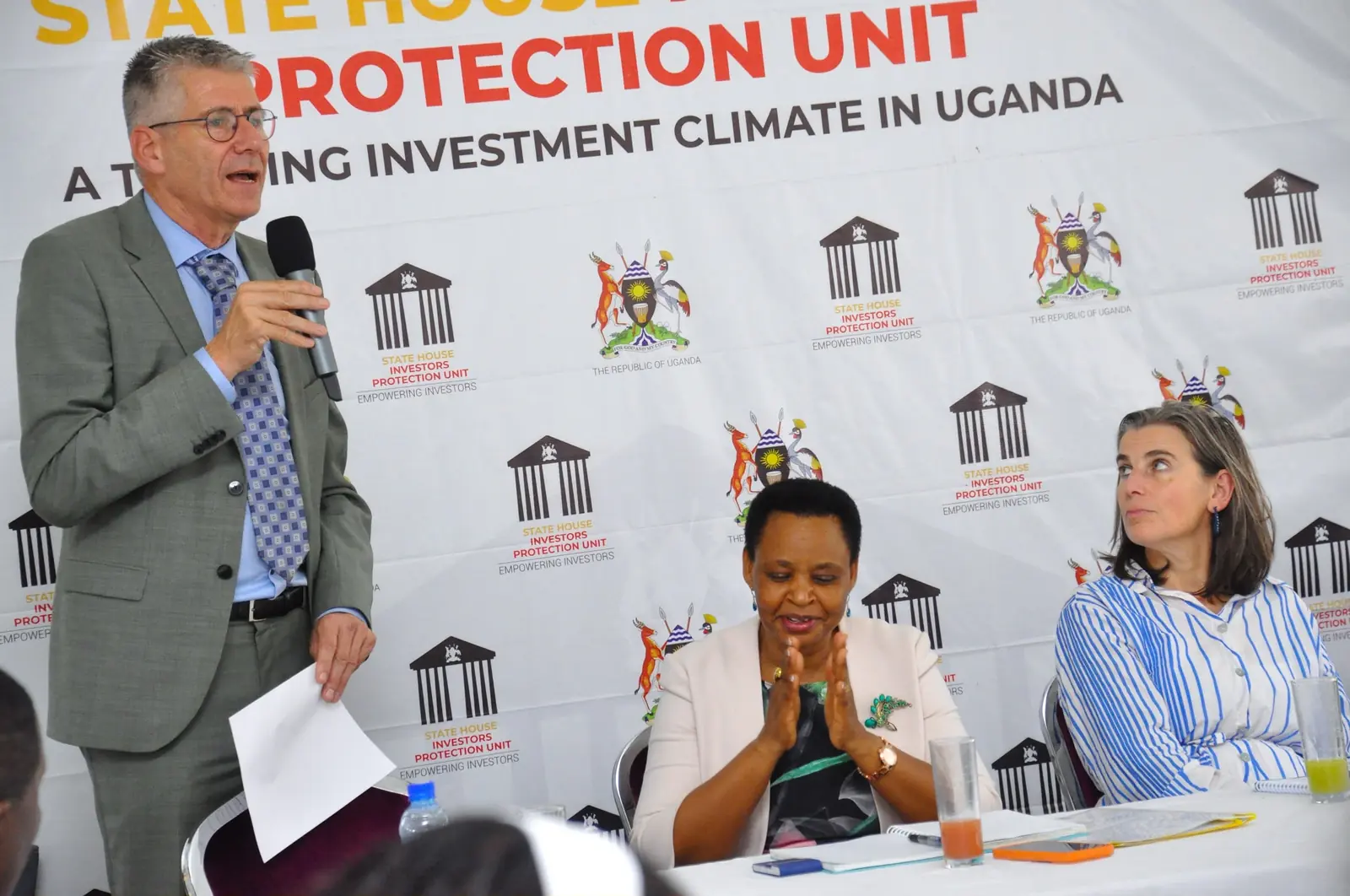
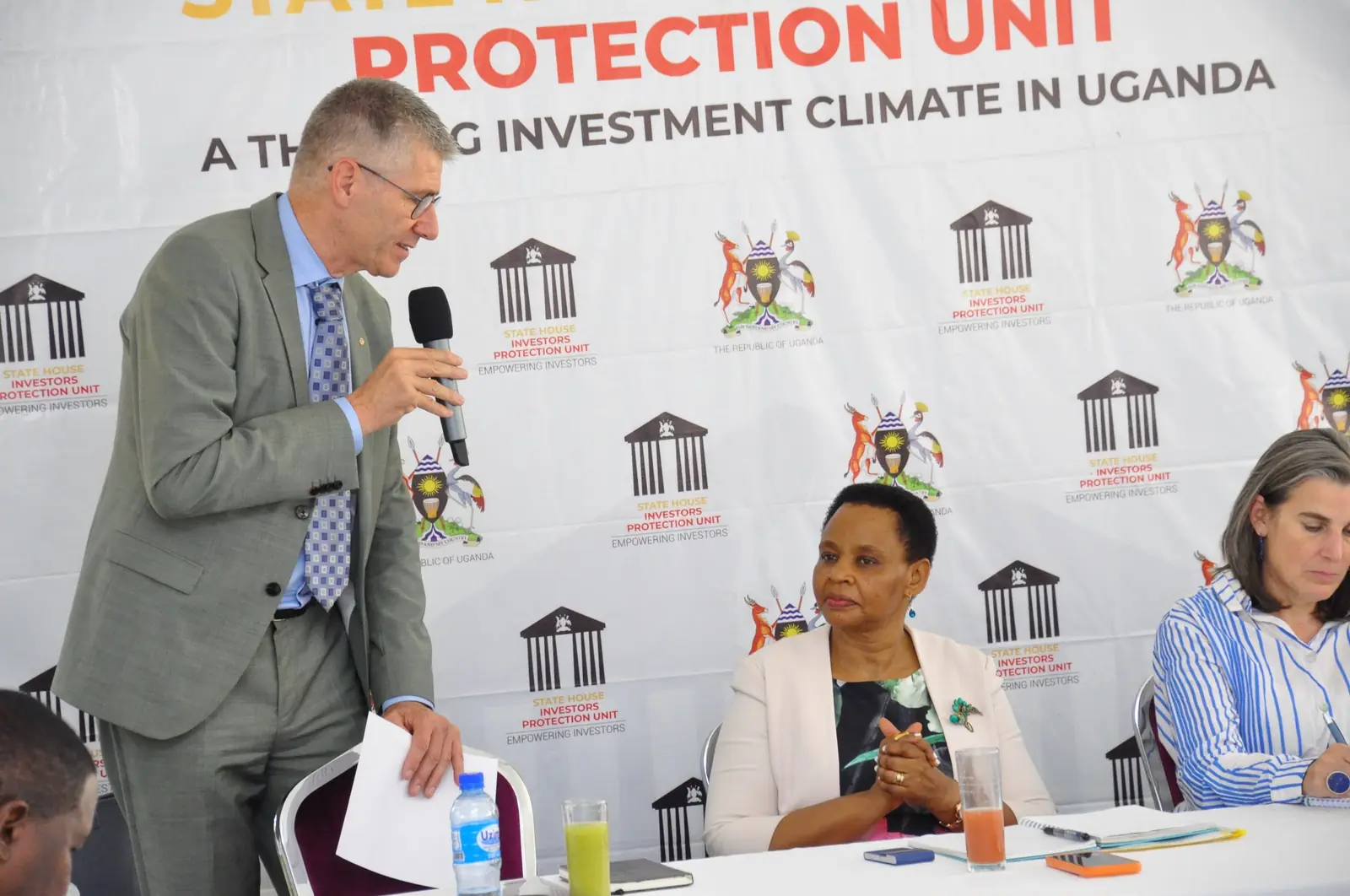
The Deputy Ambassador of the Kingdom of the Netherlands to Uganda, H.E. Bouwe-Jan Smeding, thanked President Museveni for appointing Col. Nakalema, saying she was the right person to head an institution responsible for protecting and promoting investments in Uganda.
Ambassador Smeding said Uganda and the Netherlands share a common objective of creating a better business environment that benefits investors, businesses and the wider economy.
“We all have the same horizon: getting a better business environment in Uganda, because that will help Uganda in connecting, in getting forex, and it helps all businesses to have healthy businesses with healthy profits,” he said.
H.E Smeding said the engagement was important in identifying and understanding the barriers investors continue to face, noting that even where a government institution cannot immediately resolve an issue, providing clear explanations can help build confidence and understanding.
He cited tax administration as one of the areas requiring continued dialogue, saying investors need clarity on policies and the handling of tax disputes.
Ambassador Smeding also highlighted a shift in the Netherlands’ approach to its engagement with Uganda, saying the country was increasingly moving from traditional development cooperation towards an investment-oriented relationship.
He said the Netherlands’ Multiannual Country Strategy for 2026 onwards reflects this direction while maintaining support for key development areas, including smallholder agriculture.
“In this sense, we as an embassy… are moving from the old-fashioned development cooperation approach towards more of an investment approach,” he said.
Economic pressures raise concerns:
The Director of Economic Affairs at the Ministry of Finance, Planning and Economic Development, Mr. Moses Kaggwa, said Uganda was facing several external economic pressures, including rising fuel prices, geopolitical tensions in the Middle East and exchange-rate depreciation.
Mr. Kaggwa said supply disruptions associated with the conflict in the Middle East were among the factors affecting the Uganda shilling, although he noted that the currency had historically been one of the most stable in Africa.
He said the government and the Bank of Uganda were monitoring the situation and implementing measures to contain excessive depreciation and inflation.
Mr. Kaggwa expressed optimism that the shilling could stabilise at around Shs3,900 to the US dollar in the near term, while cautioning against speculation and panic buying of dollars.
Despite the challenges, he said Uganda’s export performance remained strong, with exports expected to reach about US$18.42 billion.
He cited coffee, cocoa and vegetables exported to the European Union among the products supporting Uganda’s external earnings.
Mr. Kaggwa said the government remained committed to building an economy based on production and value addition rather than one dominated by imports and retail trade.
He said manufacturing accounts for about 15 percent of Uganda’s GDP, making it one of the largest manufacturing sectors in the region.
He also highlighted agriculture, tourism, mineral development, science, technology and industry as key pillars of Uganda’s economic transformation agenda.
Mr. Kaggwa assured investors that the government was committed to creating a predictable and supportive business environment.
He said the private sector contributes about 80 percent of Uganda’s GDP, making it a critical partner in economic development.
NUTIP calls for stronger government-business partnership:
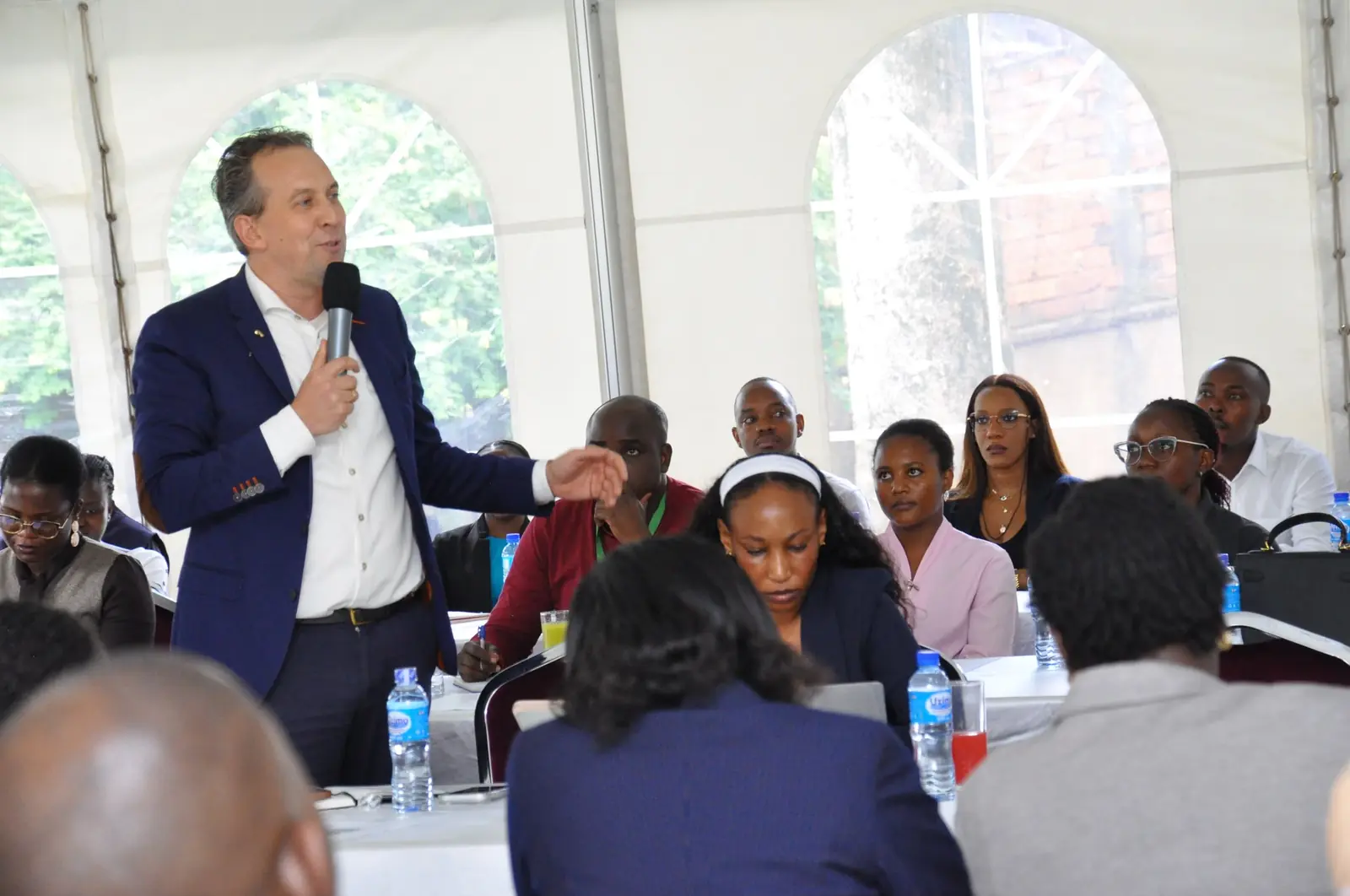
The Chairperson of the NUTIP Board, Mr. Mark Dieleman, called for stronger collaboration between the business community and government to create a safe, predictable and supportive environment for investors in Uganda.
Mr. Dieleman said a strong private sector was critical to economic growth, emphasising the importance of government support and protection of businesses.
“We always say, no business, no economy. It’s as simple as that,” he said.
He also expressed pride in the contribution of Dutch businesses to Uganda’s foreign-exchange earnings, saying NUTIP would like to see the Netherlands maintain and strengthen its position as an important trade and investment partner for Uganda.
He called for continued cooperation between the government and the business community to sustain and increase trade and investment between the two countries.
Government moves to clarify Protection of Sovereignty Act:
Dr. Okello Stephen, Secretary of the NGO Bureau, who represented the Permanent Secretary in the Ministry of Internal Affairs, said the implementation of the Protection of Sovereignty Act was among the concerns raised during the meeting.
He said no foreign agency had been registered under the Act at the time of the engagement, adding that the government had put in place an implementation framework to ensure it was fully operationalised.
“Another key step which should be taken is sensitisation. We are going to have a sensitisation drive around the country so that people know what the Act means and whether it affects investments or not,” Dr. Okello said.
URA pledges investor-friendly tax administration:
Mr. Abel Kagumire, who represented the Commissioner General of the Uganda Revenue Authority (URA), said the tax body was committed to facilitating investors in line with President Museveni’s directive to ensure that business operators are not unnecessarily delayed.
“We always take note of the presidential directive that we should not delay investors and that we should facilitate you very well without asking for a service, a price or anything,” Mr. Kagumire said.
He said URA was committed to operating with patriotism, integrity and professionalism while supporting businesses to contribute to Uganda’s economic growth.
On remission of duty on imported raw materials, Mr. Kagumire explained that Uganda and the East African Community have mechanisms through which eligible raw materials can be considered for duty remission.
He said once URA confirms that an imported item is a raw material used in production rather than an item intended for immediate sale, the relevant committee can assess the factory and recommend its inclusion on the list of eligible raw materials.
Mr. Kagumire also clarified that URA administers taxes strictly in accordance with laws passed by Parliament and assented to by the President.
He said agricultural inputs, plant and machinery, and equipment used in agro-processing enjoy various tax incentives, although some components may attract duty depending on their classification under the law.
Investors raise tax and regulatory concerns:
Ms. Donah Loyce Katushabe, a NUTIP board member, highlighted challenges affecting investors, including access to tax incentives, tax treatment of different business models and implementation of the Protection of Sovereignty Act.
“Members want clarity on the strategic investor exemptions provided for in the Income Tax Act,” she said.
She also said foreign companies supplying goods from abroad wanted the government to reconsider its approach to contracting them in foreign currency.
The meeting was attended by officials from SHIPU, the Ministry of Finance, Planning and Economic Development, URA, the Embassy of the Netherlands, the Uganda Free Zones and Export Promotion Authority, the Tax Arbitration Tribunal, the International Development Law Organisation and other government institutions.